
Tongits — Card Game Guide & Demo
A clear introduction to a familiar Filipino card-game format, its general flow, and the checks worth making before a session.
Tongits is a shedding-and-melding card game in which players form combinations, manage the cards in hand, and decide when to draw or discard. Exact rules, turn order, and scoring can vary by version, so use the instructions shown in the current game as the final reference.
This guide explains the broad ideas behind Tongits and helps first-time visitors know what to inspect. It does not claim a particular payout, strategy advantage, or free mode; review the live rules before you begin.
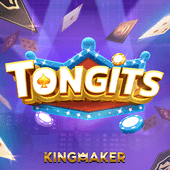 Tongits
The game is listed in the cards category. For a Tongits Demo or preview, check whether a no-cost option is currently offered in the interface; availability may differ. The safest starting point is to read the rules, understand the actions, and choose only a mode and stake that suit your limits.
More card games to browse
These related cards-category titles are promotional game entries, not separate game-guide links.

What players often look for in Tongits
A good first impression comes from clear rules, legible cards, and controls that make each decision easy to understand. Before judging the experience, players can check how the game presents its instructions, how a turn is indicated, and whether the available options are clear on a small screen.
For many players, Tongits feels approachable because the central ideas—making combinations and reducing unmatched cards—are easy to follow once the game explains its version of the rules. Familiarity should not replace reading those rules. House or platform implementations may differ in card values, turn actions, declaration procedures, and how a round ends.
The most useful feedback after a session is specific: Was the interface readable? Were draw and discard actions easy to distinguish? Did the help panel answer questions? Those observations are more reliable than broad claims about winning chances. A single short session cannot establish how often a game will produce a favorable result.
If you are exploring Tongits Demo options, check the game lobby or opening screen for a clearly labelled practice mode and confirm any conditions before entering. Do not assume a demo is available just because an informational page mentions it. When you are ready to inspect the title, use the game entry and review its current terms without rushing.
Players comparing the broader catalogue can use the Golden Genie game page as a different title overview. It is a normal internal navigation link and does not replace the Tongits game entry.
A few useful Tongits notes before your first hand
Start by learning the version in front of you; basic card-game familiarity is helpful, but local rules and digital implementations may not be identical. An orderly first visit lets you understand the decision points before play becomes fast or competitive.
-
Read the instructions. Look for the objective, permitted melds, card values, draw choices, and the conditions that close a round. Treat the displayed rules as authoritative for that version.
-
Observe before acting. Check how the table represents the draw pile, discard pile, and melds. Clear visual cues help prevent accidental selections.
-
Check mobile comfort. Make sure card faces and action labels remain readable at your screen size, and pause if you cannot confidently distinguish controls.
-
Set boundaries first. Choose an entertainment budget and time limit before playing. Never increase a stake to recover losses or continue beyond a limit.
-
Ask about unclear terms. If a fee, stake, or condition is not clear, do not proceed until you have found an explanation you understand.
A Tongits Demo, if available, can be a low-pressure way to learn a layout, but a practice outcome is not a forecast of real-money play. If a demo is not offered, use any rules or tutorial material that the game itself provides before deciding whether to continue.
People who enjoy a different pace may also browse the Tower game overview. Comparing interfaces and formats can clarify your preferences; it does not indicate which title is more likely to return a particular result.
How a Tongits round generally unfolds
At a high level, a round involves receiving cards, taking a turn, making permitted combinations where applicable, and discarding before the next player acts. The exact order and available decisions must be confirmed in the live version, because digital rule sets can differ.
- Review the opening state. Check the cards dealt, the visible piles, the current player indicator, and any brief rules reminder. Do not make a move until the interface is clear.
- Choose a legal draw action. Depending on the version and turn state, the game may offer a draw from a pile or another defined action. Follow the on-screen explanation rather than assuming every option is always available.
- Consider combinations. Tongits commonly centres on forming valid sets or sequences under its rules. Check what the game counts as a legal meld and whether placing cards has timing requirements.
- Discard carefully. Review the selected card and the game’s confirmation cues before discarding. A deliberate selection is preferable to a hurried tap, particularly on a phone.
- Continue until the displayed end condition. A round may conclude through a declared outcome or another rule-defined condition. Read the scoring summary and the game’s explanation before starting another round.
This outline is a learning map, not a complete rulebook. Some versions alter terminology, turn options, or settlement details. The current Tongits instructions should answer how a specific table handles each phase. If the game presents a rule that differs from this broad description, follow the displayed rule.
Allow enough time to review each action. No move sequence can guarantee a win, and decisions do not remove the chance involved in a game. If you find that you are rushing, pause or leave the table rather than increasing stakes to compensate.
Common Tongits questions, answered
What type of game is Tongits?
Tongits is listed as a cards game. It is commonly associated with forming card combinations and managing a hand, but the exact objective and rules depend on the version shown in the game.
How do I begin playing Tongits?
Read the current rules first, identify the draw and discard controls, and check how valid combinations are defined. If anything is unclear, pause before making a move or committing a stake.
Is a Tongits Demo available?
Demo or practice availability can vary. Look for an explicit practice option in the current game interface and confirm its conditions; this page does not promise that a demo mode is available.
Are rules the same in every digital version?
Not necessarily. Turn options, card values, melding rules, end conditions, and scoring can be configured differently. The instructions displayed by the current game are the reliable source for its rules.
Can a strategy guarantee a Tongits win?
No. Knowing the rules can make decisions more informed, but no approach guarantees an outcome. Results vary, so treat play as entertainment and do not chase losses.
What should I check before joining a table?
Check eligibility, current rules, any stake or fee, the table conditions, and the account terms. Set a budget and time limit that will not affect essential expenses.
What if the interface or scoring is unclear?
Do not guess. Reopen the in-game help, check the displayed round summary, or leave the table until you can understand the rules and any settlement conditions.
To explore another listed category, see the Oneshot Fishing overview. It is an internal guide to a separate game type, not a claim about Tongits rules or outcomes.
Tongits facts to keep in mind
The essentials are simple: Tongits is categorized as cards, the supplied listing art identifies the title, and the active game’s own instructions define its rules. These are the dependable starting facts for a new visitor; promotional descriptions should not be mistaken for a rulebook or a probability statement.
- Category: cards.
- Identification: the Tongits icon shown above is the title artwork, not a live gameplay screenshot.
- Rules: use the active game's information panel to verify turns, combinations, scoring, and round-ending conditions.
- Outcomes: results are uncertain; neither a guide nor past outcomes predicts a future hand.
- Responsible use: follow local eligibility rules, establish limits, and take a break when play stops being enjoyable.
This summary avoids quoting unsupported payout percentages, jackpot figures, or tournament claims. If such information matters to your decision, look for current, game-specific details in the official interface and relevant terms.
Enjoy Tongits within clear boundaries
The sensible way to approach Tongits is to understand the rules, set limits in advance, and stop at the planned time or budget. A card game can be enjoyable without being treated as a source of income, and no result is certain.
Only adults who meet the legal age requirements where they live should use gambling services. Follow local laws and the current site terms. Do not use money intended for rent, bills, food, education, medical needs, or other essentials. Avoid borrowing to play and do not try to recover losses by extending a session or raising a stake.
If you notice stress, secrecy, or difficulty stopping, close the game and speak with someone you trust. Take regular breaks, keep account access secure, and review every term before accepting a promotion. Offers can have eligibility conditions; read them instead of assuming they change the odds or remove risk.